Attack Surface Management vs Penetration Testing: The Key Differences

Written By
Sarwat Iftikhar

Most businesses reach a point where they know they need to take security seriously, but they are not sure where to start. Two terms come up constantly in those conversations: Attack Surface Management and Penetration Testing. They sound related. They are both about finding security weaknesses. But they are fundamentally different in what they do, when you need them, and what they cost you if you skip either one.
The confusion between the two is understandable. Both involve identifying vulnerabilities. Both are essential. But running one when you need the other is one of the most common and costly mistakes companies make when building out their security program.
This post breaks down exactly what each one does, how they differ, how they work together, and which one your business should prioritize first.
Key Takeaways
- Attack Surface Management is the continuous process of discovering, monitoring, and reducing every digital entry point an attacker could target across your environment.
- Penetration Testing is a structured, time-boxed simulation of a real attack against a defined scope, designed to find and prove exploitable vulnerabilities.
- Attack Surface Management gives you visibility. Penetration Testing gives you verified proof of what an attacker can actually do with what they find.
- Most businesses benefit from starting with Attack Surface Management to understand what they have before testing what can be broken.
- The two are not interchangeable. They work best when run together as part of a layered security program.
What Is Attack Surface Management?
Attack Surface Management is the continuous process of discovering, analyzing, monitoring, and reducing every digital asset and entry point that an attacker could potentially target in your environment. Every domain, subdomain, IP address, cloud service, API endpoint, employee device, and third-party integration your business uses is part of your attack surface, whether your security team knows about it or not.
The defining characteristic of Attack Surface Management is that it is ongoing rather than periodic. Your attack surface changes every time a developer deploys new code, a new SaaS tool gets added, a contractor is given system access, or your business spins up a new cloud environment. A one-time inventory of your assets becomes outdated within days in most modern organizations. Attack Surface Management is designed to keep pace with those changes continuously, giving your security team an always-current picture of what exists and what is exposed.
The goal is not just to list your assets. It is to understand which of those assets are visible to attackers, which carry risk, and which need to be addressed before they become entry points into your environment. Bugstrix’s attack surface management service approaches this from an attacker’s perspective, mapping your external exposure the way a threat actor would before deciding where to strike.
What Is Penetration Testing?
Penetration Testing is a structured, time-boxed simulation of a real cyberattack conducted by security professionals against a defined scope within your environment. Unlike Attack Surface Management, which is continuous and broad, a penetration test is focused and deep. It takes a specific set of targets, applies real attacker techniques against them, and produces verified evidence of what an attacker could actually achieve if they got in.
A penetration test answers a specific question: given what we know about this system, can an attacker exploit it, and how far can they go? The result is not a list of potential weaknesses. It is a verified proof of concept that shows exactly what is exploitable, how it was exploited, the business impact, and what needs to be fixed to close the gap.
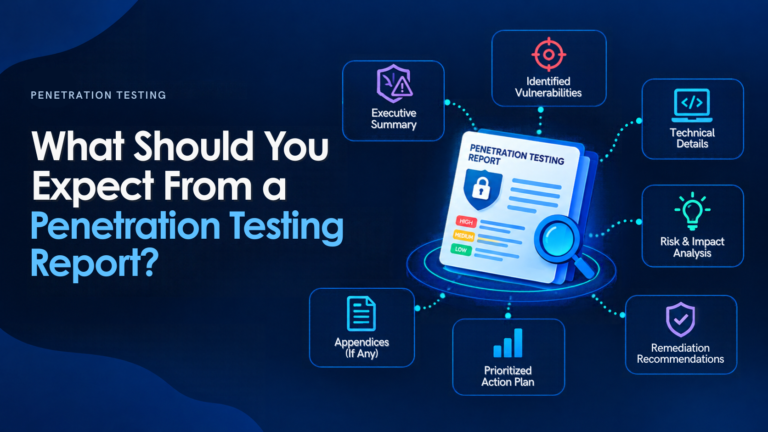
This depth is what makes penetration testing irreplaceable as a security tool and distinct from Attack Surface Management. A penetration test does not continuously monitor your environment. It does not track new assets as they appear. It goes deep on a defined target at a specific point in time and tells you definitively what an attacker can do. Our penetration testing services are built around this model, delivering verified exploits, chained attack paths, and engineering-grade remediation guidance that your development team can act on immediately after the engagement.
What Is the Difference Between Attack Surface Management and Penetration Testing?
Attack Surface Management and Penetration Testing differ in scope, depth, timing, and purpose. Understanding the difference is essential before deciding which one to prioritize.
Scope vs Depth. Attack Surface Management is broad. It continuously covers your entire digital environment, tracking every asset and exposure across your organization. Penetration Testing is narrow and deep. It focuses on a defined target, goes as far as a real attacker would, and produces verified evidence of exploitation for that specific scope.
Continuous vs Point in Time. Attack Surface Management runs constantly, updating your picture of what exists and what is exposed in real time. Penetration Testing is conducted at a specific point in time, typically quarterly or annually, and reflects your security posture as of that date.
Discovery vs Proof. Attack Surface Management tells you what is out there and what looks risky. Penetration Testing tells you what is actually exploitable and what the real-world impact of that exploitation would be.
Visibility vs Verification. Attack Surface Management provides your security team with visibility across the entire environment. Penetration Testing gives your business verified proof of risk that your leadership, compliance team, or board can act on with confidence.
Neither replaces the other. They answer different questions, and both questions matter. If you do not know what you have, you cannot test it properly. If you never test what you have, you do not know whether your exposures are actually exploitable. This is also why the relationship between vulnerability assessment and penetration testing matters when structuring your overall security approach, because each layer of testing builds on the one before it.
Which One Should Your Business Start With?
For most businesses, Attack Surface Management should come first. The reason is straightforward: you cannot effectively test what you do not know exists.
A penetration test is only as good as its scope. If your security team defines the scope based on an incomplete picture of your environment, the test will miss assets that an attacker would find immediately during reconnaissance. Forgotten subdomains, shadow IT tools, exposed APIs, and misconfigured cloud services are exactly the kind of assets that attackers target first, precisely because most companies do not include them in their penetration test scope.
Attack Surface Management solves this problem by giving you a complete, attacker-perspective view of your environment before the test begins. When your penetration test scope is built on top of a current, accurate asset inventory, the findings it produces reflect your real risk rather than the risk your team assumed you had.
There are situations where this order changes. If your business has a mature asset inventory, a clear understanding of its environment, and a specific system or application that needs verified security assurance, starting directly with a penetration test makes sense. Similarly, if a compliance requirement, a client contract, or an upcoming audit demands a penetration test report within a defined timeframe, that takes priority regardless of your current visibility posture.
For businesses starting their security program from scratch, the sequencing is almost always Attack Surface Management first, then penetration testing once you have a clear picture of what needs to be tested. We work with organizations at both stages, helping teams build that foundation through vulnerability assessment services before scoping and executing penetration tests against verified, current targets.
How Do Attack Surface Management and Penetration Testing Work Together?
Attack Surface Management and Penetration Testing are not competing choices. They are complementary layers of a security program that make each other more effective when run together.
Attack Surface Management ensures your penetration test scope is accurate and complete. Penetration Testing validates that the exposures your Attack Surface Management program identifies are actually exploitable and quantifies the real business impact of those risks. Without Attack Surface Management, penetration tests operate within an incomplete scope and miss assets that attackers would immediately find. Without Penetration Testing, Attack Surface Management produces a list of potential exposures without verified evidence of what an attacker could actually do with them.
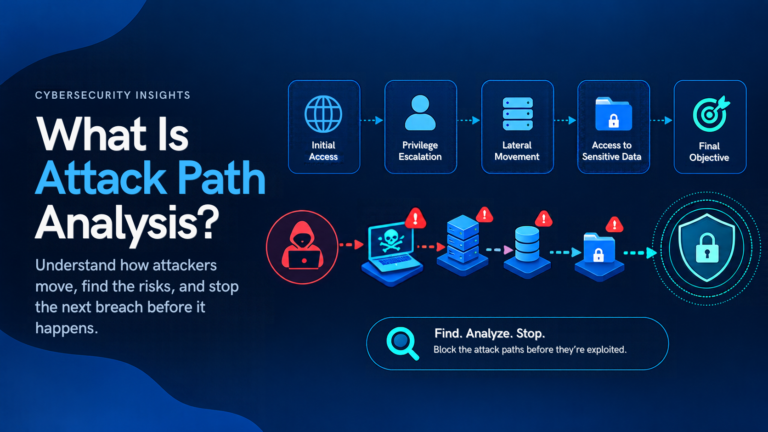
The practical workflow looks like this: Attack Surface Management runs continuously, surfacing new assets, tracking changes, and flagging elevated risk signals across your environment. When risk indicators appear, or on a defined schedule, a penetration test is scoped against the highest-risk targets and conducted to verify exploitability and chain findings into full attack paths. The results feed back into your Attack Surface Management program, informing what to monitor most closely until the next test cycle.
For organizations that frequently deploy new code, this combination becomes even more critical. Our continuous penetration testing is designed to keep pace with development cycles, testing new releases and infrastructure changes as they happen rather than waiting for a scheduled annual engagement. Paired with ongoing attack surface visibility, this approach ensures that new exposures are identified and verified before attackers find them, not after. This is also covered in our breakdown of how penetration testing is different from a security audit, which is a useful read for teams mapping out their full security testing stack.
What Types of Businesses Need Attack Surface Management?
Any business with a regularly updated digital presence benefits from Attack Surface Management. This includes organizations that frequently deploy new applications or features, businesses that use cloud infrastructure, companies that rely on third-party tools and integrations, and any organization where shadow IT is a realistic concern.
The businesses that most urgently need Attack Surface Management are often the ones that believe they have a simple, well-understood environment. In practice, most organizations have significantly more exposed assets than their internal teams realize, and the gap between what the security team thinks exists and what an attacker can actually find during reconnaissance is where the highest-impact breaches begin.
Startups and growing companies are particularly exposed. Fast-moving development teams spin up services quickly, test environments get left open, and asset tracking rarely keeps pace with the rate of change. For these teams, Attack Surface Management is not a nice-to-have. It is the foundation on which every other security investment depends.
Frequently Asked Questions
Is Attack Surface Management the same as vulnerability scanning?
No. Vulnerability scanning checks known assets for known weaknesses using automated tools. Attack Surface Management goes further by continuously discovering assets you may not know exist, monitoring for new exposures as your environment changes, and giving your security team an attacker-perspective view of your full digital footprint. Vulnerability scanning is a component of a broader security program. Attack Surface Management is the visibility layer that makes every other security activity more effective.
How often should a penetration test be conducted?
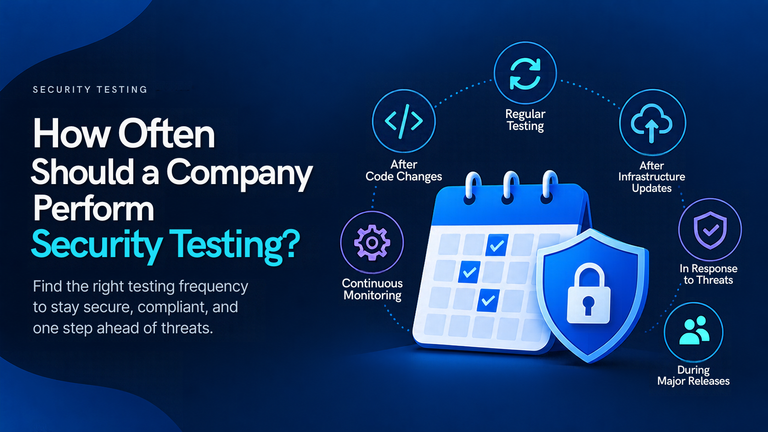
Most organizations benefit from penetration testing at least once a year, with additional tests triggered by significant changes such as a major product launch, cloud migration, or infrastructure overhaul. Organizations with frequent deployment cycles benefit from continuous or quarterly testing to keep pace with the rate at which new code and configurations are introduced into production.
Can a small business benefit from Attack Surface Management?
Yes. Small businesses often have more exposed assets than they realise because they move quickly and lack dedicated security teams to track every tool, service, and integration in use. Attack Surface Management gives smaller organizations the visibility they need to understand their real risk without requiring a large internal security team to maintain it manually.
What does an attacker look for when mapping an attack surface?
Attackers typically look for forgotten subdomains, exposed admin panels, unpatched internet-facing services, misconfigured cloud storage, leaked credentials, and third-party integrations with weak security controls. These are exactly the assets that Attack Surface Management is designed to surface before an attacker finds them.
Do I need both Attack Surface Management and Penetration Testing?
Yes, if your goal is a complete picture of your security posture. Attack Surface Management tells you what is exposed. Penetration Testing tells you what is exploitable. Running only one leaves a gap in either visibility or verification. The combination gives your security team both the breadth to track your full environment and the depth to understand what an attacker can actually do with what they find.
Conclusion
Attack Surface Management and Penetration Testing are not the same thing, and choosing between them is not the right question. The right question is how to sequence and combine them so each one makes the other more effective.
For most businesses, Attack Surface Management comes first because it builds the complete, accurate picture of your environment that makes a penetration test worth running. For businesses with a defined scope and a specific security assurance goal, penetration testing can come first, followed by ongoing Attack Surface Management to maintain visibility after the test closes.
Neither option is, is optional. In 2026, with attack surfaces expanding faster than most security teams can track manually, running your security program without both layers is not a conservative approach. It is a gap that attackers actively exploit. Contact us to build a security program that combines Attack Surface Management and Penetration Testing in the right sequence for your business, or get a free quote from Bugstrix to see what a complete, layered security program looks like for your specific environment.