What Is Root Cause Analysis?

Written By
Sarwat Iftikhar
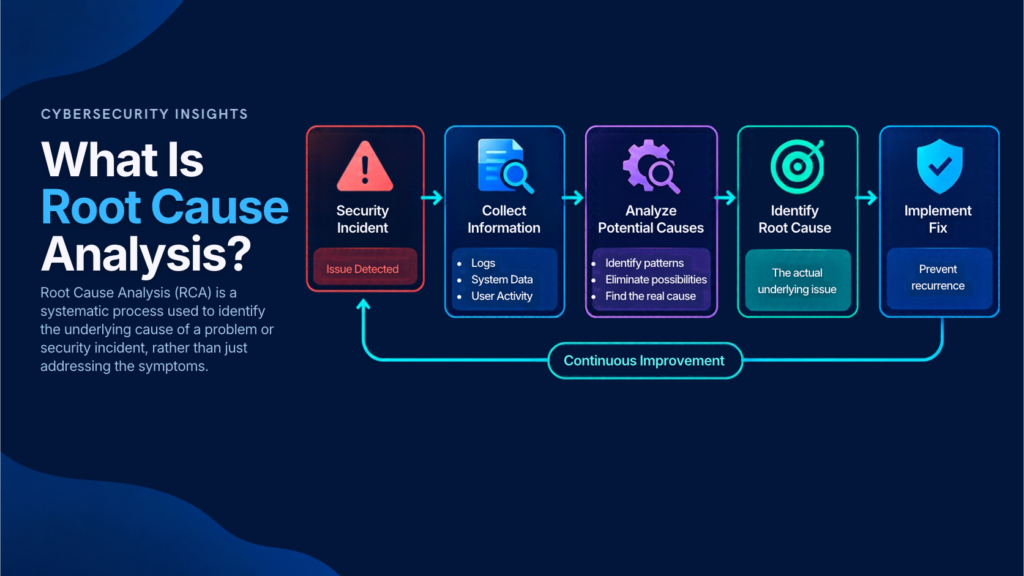
Root cause analysis (RCA) is a structured method for identifying the underlying causes of security vulnerabilities, incidents, or recurring weaknesses rather than addressing their surface-level symptoms. When a vulnerability is patched without RCA, the patch fixes one instance of a problem. When RCA is applied, it surfaces why the vulnerability existed in the first place, which often reveals a systemic gap that would produce similar vulnerabilities elsewhere in the environment.
The distinction matters in practice. An organization that patches a SQL injection vulnerability in one endpoint without understanding why input validation was absent will patch the same class of vulnerability repeatedly across different endpoints and applications. An organization that applies RCA will trace the absence of input validation to a gap in developer security training, a missing code review step, or an incomplete secure coding standard, and address the source rather than the symptoms.
Root cause analysis is not exclusively a post-incident tool. It applies to findings from security assessments, to recurring vulnerability classes identified through testing, and to persistent weaknesses that appear in multiple parts of an environment. In each case, the goal is the same: understand why the problem exists, not just that it exists.
Key Takeaways
- Root cause analysis identifies why a vulnerability or security failure occurred, not just what happened or how to patch it
- RCA applied to security findings prevents recurrence by addressing systemic gaps in code, process, configuration, or organizational practice
- Common RCA methods include Five Whys, Fishbone Diagrams, Fault Tree Analysis, Timeline Analysis, and Control Gap Analysis
- Penetration testing and vulnerability assessments produce the findings that drive RCA; without RCA, those findings generate a remediation queue rather than security improvement
- RCA is most effective when integrated into a continuous security program rather than applied only after significant incidents
What Is Root Cause Analysis in Cybersecurity?
In cybersecurity, root cause analysis is the investigative process that answers the question behind the finding. A vulnerability scanner reports a missing patch. A penetration tester finds an authentication bypass. An incident response team confirms a breach. Each of these findings describes what is wrong. Root cause analysis asks why it is wrong and why existing controls failed to prevent it.
The distinction between cause and symptom is central to RCA. A missing patch is a symptom. The root cause might be an asset inventory gap that left the affected system untracked by the patch management program, a misconfigured patch exclusion, a failure in the testing and deployment pipeline, or an organizational process that prioritizes uptime over patch cadence. Patching the instance closes the finding. Addressing the root cause closes the gap.
Root cause analysis in security draws from industrial safety and quality management disciplines where it originated. Methods developed for manufacturing defect analysis and aviation incident investigation translate directly to security contexts because the underlying logic is the same: failures rarely have single causes, symptoms conceal contributing factors, and fixing symptoms without investigating causes produces recurrence.
Bugstrix security engagements consistently show that organizations with high vulnerability recurrence rates share a common characteristic: they remediate findings from assessments without performing root cause analysis on the vulnerability classes that generated those findings. The same categories of flaws appear in successive assessments because the conditions that produced them have not changed. Integrating RCA into vulnerability management programs is what converts a remediation process into a security improvement process.
What Are the Most Common Root Causes of Security Vulnerabilities?
Security vulnerabilities have root causes at multiple levels. A single vulnerability finding may have a proximate technical cause (input validation absent from a specific function) and a deeper systemic cause (no mandatory code review process, no security testing requirement in the development pipeline). Effective RCA traces through both levels.
Insecure code patterns are among the most prevalent root causes. Injection vulnerabilities, insecure deserialization, improper error handling, and hardcoded credentials all originate in code written without security controls in place. The root cause is rarely a single developer’s oversight; it is more commonly an absence of security requirements in development standards, no automated security scanning in the build pipeline, or no review process that checks for these patterns before code ships.
Missing or misconfigured controls account for a large share of infrastructure and configuration vulnerabilities. Default credentials left in place, network segmentation not enforced, logging not configured on sensitive systems, and authentication not required on administrative interfaces all represent control gaps. The root cause is typically a provisioning process that does not enforce security baselines, or a change management process that does not verify security configuration after changes.
Third-party dependency gaps create inherited vulnerabilities through libraries, frameworks, and components that applications depend on. The root cause is the absence of a software composition analysis process that tracks dependency versions and flags known vulnerabilities before they reach production.
Process and governance failures underlie many recurring vulnerabilities. When the same class of finding appears in multiple assessments across different systems, the root cause is rarely technical. It is a gap in security requirements, training, review processes, or ownership that means the conditions producing the vulnerability are never addressed. Bugstrix secure code review engagements frequently surface systemic code-level patterns that point directly to process gaps: absent input validation in every endpoint written by a specific team, or hardcoded credentials concentrated in a specific part of the codebase that was never reviewed against a secure coding standard.
How Is Root Cause Analysis Conducted After a Security Incident or Finding?
RCA is a structured process, not an ad hoc investigation. Different methods suit different types of security problems. Choosing the right method for the finding type produces more actionable root cause conclusions.
Five Whys is the most accessible method and works well for single-thread failure investigation. Starting from the observed finding, the analyst asks “why” repeatedly until a root cause that cannot be further reduced is reached. A SQL injection finding: why did it exist? No input validation. Why was input validation absent? It was not in the developer’s checklist. Why was it not in the checklist? The secure coding standard did not specify it. Why does the standard not specify it? It has not been updated since the application framework changed. That is a root cause that can be acted on.
Fishbone (Ishikawa) Diagrams are suited for multi-factor vulnerabilities where several contributing causes converge. Causes are organized into categories such as people, process, technology, and environment. This method is useful when RCA needs to be communicated to multiple stakeholders, as the visual structure makes contributing factors and their relationships legible to non-technical audiences.
Fault Tree Analysis works top-down, starting from an undesired event and decomposing it into the logical combination of events that could produce it. It is most appropriate for complex system failures in infrastructure-heavy environments where multiple failure modes can combine.
Timeline Analysis reconstructs the sequence of events in an incident, mapping attacker activity, system state changes, and defensive response against a single timeline. It surfaces the moments where controls failed, detections were missed, or attacker dwell time extended without response.
Control Gap Analysis compares the expected security controls against what is actually in place, identifying the gaps that allowed a vulnerability class to persist. It is the right method when the same category of finding recurs across multiple assessments, indicating a systemic control absence rather than a one-off technical error.
Bugstrix vulnerability assessment processes are structured to support RCA: findings are categorized by vulnerability class, root cause contributors are documented alongside technical details, and remediation recommendations address both the instance and the systemic gap where one is identifiable.
How Does Root Cause Analysis Differ From Simply Patching a Vulnerability?
Patching closes a specific finding. Root cause analysis determines why that finding was created and what would prevent the next instance of the same underlying problem. The difference in outcome is significant.
Patching without RCA treats each finding as isolated. An organization that patches every reported vulnerability is doing something necessary but not sufficient. Each patch addresses one discovered instance. The conditions that produced that vulnerability remain unchanged and continue producing new instances that will be discovered in subsequent assessments or, worse, by attackers before the next assessment cycle.
RCA changes the conditions, not just the instance. A root cause analysis that traces a series of authentication bypass findings to the absence of a security requirements review step in the development lifecycle produces a recommendation that prevents that class of vulnerability from appearing in new code. The impact compounds: one process change removes a source of findings that would otherwise have required individual remediation in every new feature that went through that lifecycle step without security review.
The recurrence rate is the signal. Organizations that apply RCA to their security findings see declining recurrence rates in subsequent assessments. The same vulnerability classes stop appearing because the systemic conditions that produced them have been addressed. Organizations that patch without RCA see consistent or increasing recurrence rates as new code and new systems repeat the patterns that generated previous findings.
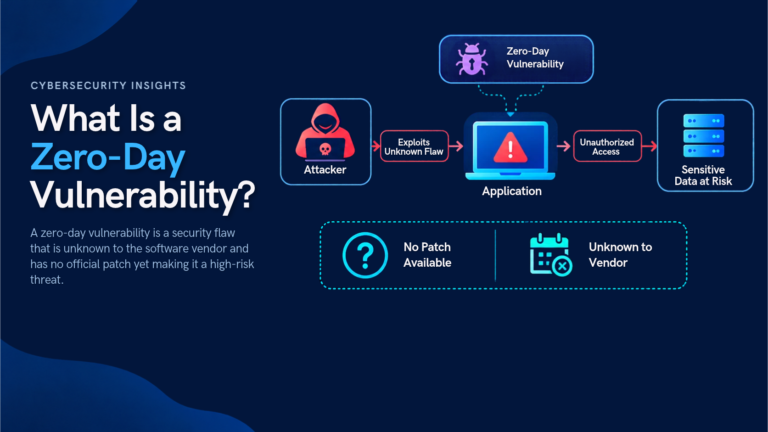
Zero-day vulnerabilities represent a case where RCA is particularly valuable at the organizational level. While the technical vulnerability itself cannot be anticipated, the organizational conditions that determine how quickly it is detected, contained, and remediated are entirely within scope for RCA. An organization that analyzes its response to zero-day exposure will find actionable root causes in detection capability gaps, patch deployment velocity, and asset inventory completeness.
How Is Root Cause Analysis Applied in Penetration Testing?
Penetration testing generates the findings that drive the most actionable RCA in application and infrastructure security. A skilled penetration tester does not just identify a vulnerability; they demonstrate how it can be exploited, what conditions made exploitation possible, and what class of weakness produced it. That information is the raw material for root cause analysis.
Findings are organized by vulnerability class, not just by instance. A penetration testing report that lists twenty individual findings without noting that twelve of them share the same root cause (absent input validation across all endpoints written using a specific pattern) forces the client to perform RCA themselves, or miss it entirely. Reports structured with vulnerability class analysis built in give development and security teams the information needed to address root causes rather than just close tickets.
Chain exploitation findings reveal control failures. A penetration test that demonstrates a full attack path from initial access to data exfiltration identifies not just the individual technical weaknesses but the control gaps at each stage of the chain. Each gap is a point where a defensive control should have broken the attack path but did not. RCA on each gap produces actionable findings about detection, network segmentation, privilege separation, and logging that would independently prevent the full chain even if the initial access vulnerability recurs.
Retest findings confirm whether RCA was applied. When a vulnerability appears in a retest that was marked remediated from a prior engagement, it indicates either that the patch was incomplete or that the root cause was not addressed. Understanding how penetration testing works clarifies why retesting is a diagnostic step for RCA effectiveness: recurrence in a retest is evidence that the remediation addressed the symptom, not the cause.
Bugstrix penetration testing engagements include root cause classification for every finding, distinguishing between instances that require individual technical remediation and findings that indicate a systemic gap requiring process or architectural changes. This structure gives clients the information needed to prioritize RCA investment where it will produce the greatest reduction in future findings.
How Does Root Cause Analysis Strengthen Long-Term Security Posture?
The compounding effect of consistent RCA over time produces a qualitatively different security posture from one built on remediation alone. When systemic causes are addressed, the rate at which new vulnerabilities are introduced declines. The finding load in subsequent assessments decreases. Security engineering capacity shifts from reactive remediation to proactive improvement.
RCA converts security testing from a compliance activity into a learning process. An organization that runs an annual penetration test, remediates the findings, and runs another test the following year is measuring its current state. An organization that applies RCA to findings and addresses root causes before the next test is measuring its improvement trajectory. The difference in security posture over a three-to-five year period is substantial.
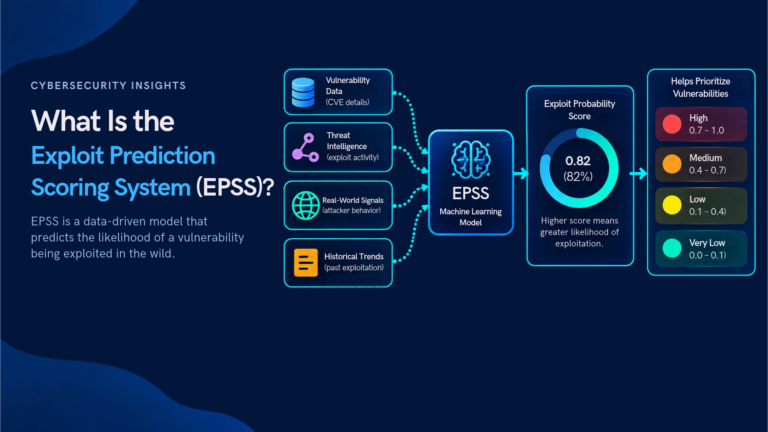
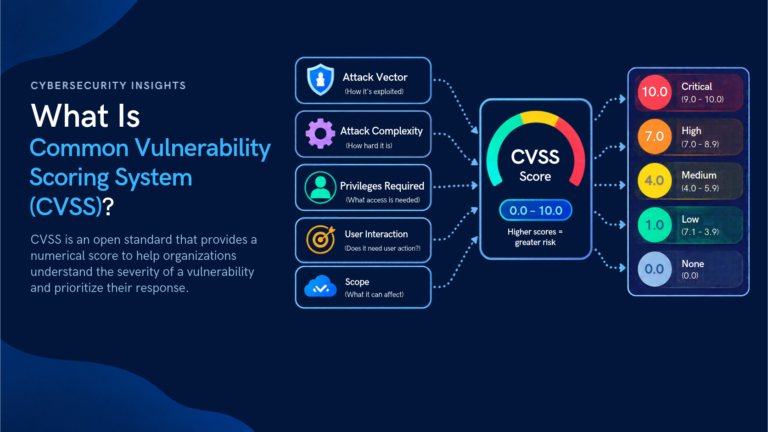
Severity-based prioritization determines where to invest RCA effort first. Not all findings merit equal RCA investment. A CVSS Critical finding on a public-facing application warrants immediate RCA to determine what systemic gap allowed a critical-severity vulnerability to reach production without detection. A Low-severity finding on an internal non-critical asset may be remediated without full RCA. Using severity and exploitability as inputs to prioritize RCA effort ensures that the highest-risk root causes are addressed first.
Attack surface growth is itself a root cause to investigate. Organizations whose attack surface expands faster than their security coverage creates proportionally more exposure to undiscovered vulnerabilities. Attack surface management programs that track the attack surface over time produce data that drives RCA on the organizational processes that add assets, domains, and services without corresponding security review. When assets consistently appear on the attack surface without going through a security onboarding process, that process gap is a root cause with organization-wide impact.
Recurring finding categories are the most valuable RCA targets. Bugstrix security program data shows that organizations with three or more consecutive assessments showing the same vulnerability categories have a root cause in their development or operations process, not in the specific systems. Identifying and addressing that process root cause eliminates a category of findings rather than an instance.
Get your free quote for a penetration testing or vulnerability assessment engagement
Frequently Asked Questions
What is the difference between root cause analysis and incident response?
Incident response is the process of detecting, containing, and recovering from a security incident. Root cause analysis is the investigative process that follows to determine why the incident occurred and what systemic gaps allowed it. Incident response answers: what happened and how do we stop it? Root cause analysis answers: why did this happen and how do we prevent recurrence? The two are complementary and sequential; effective incident response includes RCA as a phase, though RCA is also applied outside of incident contexts to findings from assessments and testing.
How long does a root cause analysis take?
It depends on the scope and complexity of the finding or incident. An RCA on a single vulnerability finding may take a few hours to complete using Five Whys. An RCA on a full breach with multiple attack vectors, extended dwell time, and widespread impact may take days to weeks and involve multiple analysts reviewing logs, interviewing personnel, and reconstructing the attack timeline. The investment in RCA time is typically justified by the reduction in future remediation effort it produces.
Should every vulnerability finding get a full root cause analysis?
No. Full RCA is most warranted for Critical and High severity findings, for vulnerability classes that recur across multiple assessments, and for any finding that resulted in confirmed exploitation. Lower severity findings that are isolated instances can be remediated without full RCA. The practical approach is to apply RCA proportionally: the severity of the finding and the recurrence rate of the vulnerability class determine the depth of investigation.
What is a proximate cause versus a root cause?
A proximate cause is the immediate technical reason a vulnerability exists: a missing patch, absent input validation, a default credential. A root cause is the underlying systemic reason the proximate cause was present: no patch management process for that asset class, no code review requirement for input handling, no credential rotation policy. Patching addresses proximate causes. RCA addresses root causes. Both are necessary, but only root cause remediation prevents recurrence.
How does RCA apply to recurring vulnerability classes across an organization?
When the same vulnerability class appears in multiple assessments across different systems or teams, the root cause is almost always in a process or governance gap rather than in any individual system. RCA in this context involves mapping where the vulnerability class appears, identifying what those systems have in common (development team, framework, onboarding process, ownership), and tracing back to the shared process or standard that produced the pattern. The remediation is a process or standard change, not a technical patch.
Can root cause analysis be applied proactively, not just after findings?
Yes. Proactive RCA uses threat modeling, architecture review, and code analysis to identify conditions that would produce vulnerabilities before they manifest in a production system. Fishbone diagrams and control gap analysis are particularly useful for proactive RCA because they map the conditions that tend to produce vulnerability classes rather than analyzing a specific finding that already exists. Proactive RCA is most cost-effective early in the development lifecycle, when addressing root causes requires a process or design change rather than rework of deployed systems.
Root Cause Analysis and the Security Program Behind It
A security program that applies root cause analysis to its findings is a program that gets better over time. The assessment cycle, penetration test, and code review are the mechanisms that surface findings. RCA is the mechanism that converts those findings into lasting security improvement.
Without RCA, the assessment cycle measures the current state of a static problem set. With RCA, it measures progress on a shrinking problem set. The findings from each engagement become fewer and less severe as root causes are addressed and the conditions that produce vulnerabilities are systematically removed from the development and operations lifecycle.
Bugstrix works with organizations to build security programs where RCA is embedded into the remediation process: findings are classified by root cause category, remediation recommendations address both instance and systemic gaps, and retests verify that the underlying conditions have changed, not just the specific finding. Organizations that build this discipline into their security programs consistently outperform those that treat testing as a compliance checkpoint rather than an improvement mechanism.
Contact us to build root cause analysis into your security program